
Grant County Criminal Court Records
A criminal court record begins when a prosecutor files a criminal case in the appropriate Grant County court. The court file is broader than a booking entry. It may include an information or charging document, probable-cause material when public, initial-hearing entries, bond orders, no-contact orders, motions, plea entries, trial settings, dispositions, judgments of conviction, sentencing orders, probation entries, and final orders.
Grant County uses several courts for criminal work. Local rules distinguish Level 6 felonies, Level 5 and higher felonies, misdemeanors, city-court misdemeanors, and OWI cases. Level 6 felonies go to Grant Superior Court 3 unless a pending case or probation routing rule controls. Level 5 and higher felonies are randomly assigned among Circuit Court and the Superior Courts through Odyssey. Many misdemeanors and infractions route to Gas City City Court or Marion City Court based on city limits, officer agency, and local rule details.
The Grant County Prosecutor source is central to criminal court records because it identifies the office responsible for prosecuting local criminal cases.
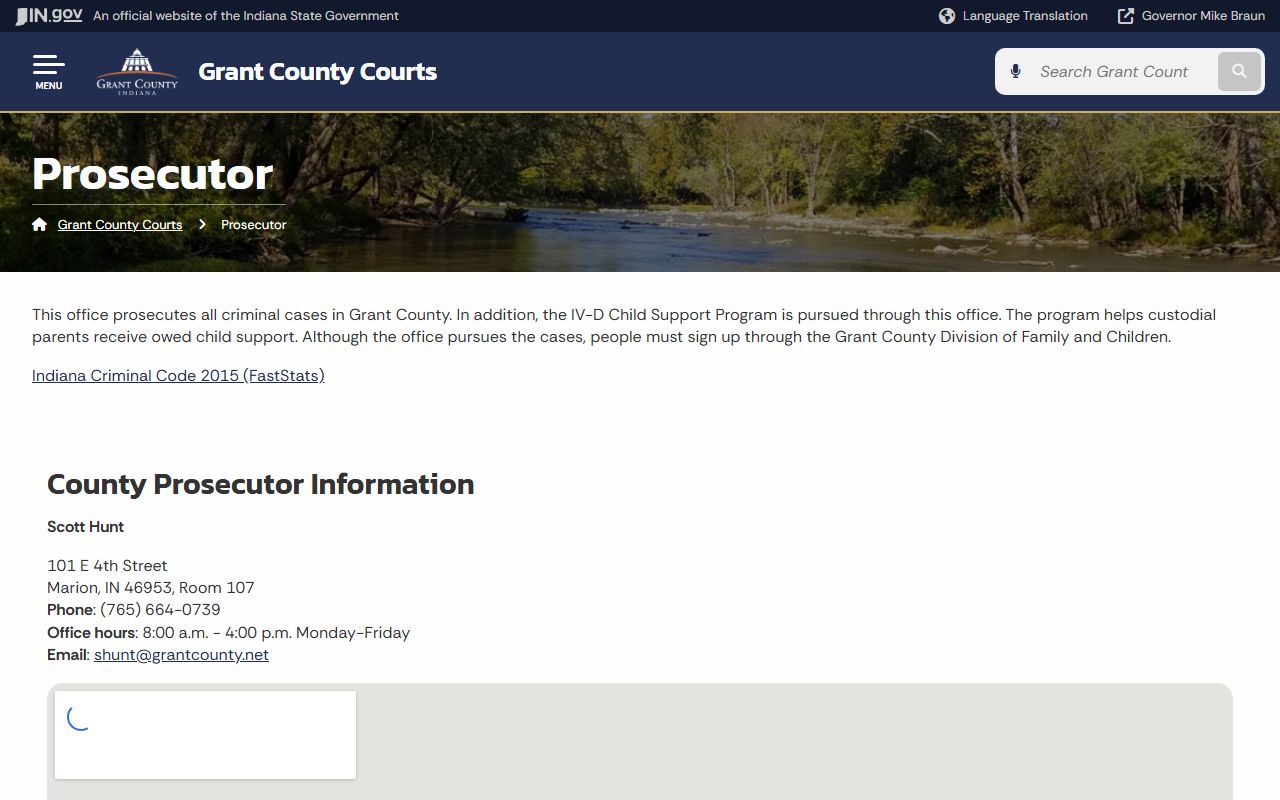
That prosecutor role explains why a booking charge can later become a filed criminal case with a separate court record.
Search Grant County Criminal Records
Use Indiana MyCase for public Grant County criminal court records. Search by case number or defendant name, then filter to Grant County or the specific court. MyCase can show the court, case type, status, chronological case summary, hearing dates, financial entries, and public document links when available. The portal is free for public case data, but it is not the official court record.
- Search by case number when a notice, ticket, order, or prior docket entry lists one.
- Search by defendant name when the case number is unknown, then narrow by Grant County and court.
- Use court codes to read the result: 27C01, 27D01, 27D02, 27D03, 27H01, and 27H02 are Grant County codes.
- Open the criminal case and review the chronological case summary for charges, hearings, pleas, motions, disposition, and sentence.
- Contact the Clerk of the Circuit Court for certified copies or criminal case documents not linked online.
For a closer look at the arrest-to-charging path, the separate Grant County arrest records and court charges page focuses on booking information, filed charges, and charge status before final disposition.
Grant County Criminal Case Flow
Criminal court records are built in stages. Each stage can create a docket entry or document, and some stages can change the status of a charge. The same criminal case may also include bond conditions, no-contact orders, financial assessments, probation entries, or later expungement activity.
Case flow: Charges Filed › Arraignment › Pretrial › Plea or Trial › Disposition › Sentencing
| Stage | What Happens |
|---|---|
| Charges Filed | The prosecutor files the criminal charge in the assigned Grant County court. |
| Arraignment or Initial Hearing | The court advises the defendant of the charge, rights, next date, and release or bond conditions. |
| Pretrial and Motions | Parties file appearances, motions, notices, continuance requests, discovery-related entries, and court orders. |
| Plea or Trial | The case resolves by plea, trial verdict, dismissal, amendment, or other disposition. |
| Disposition | The docket records the outcome of each charge or case. |
| Sentencing | The court enters sentence terms, probation, fines, fees, no-contact orders, or other final conditions. |
The Indiana Prosecuting Attorneys Council source confirms the local prosecutor identity and appointment context for Grant County.
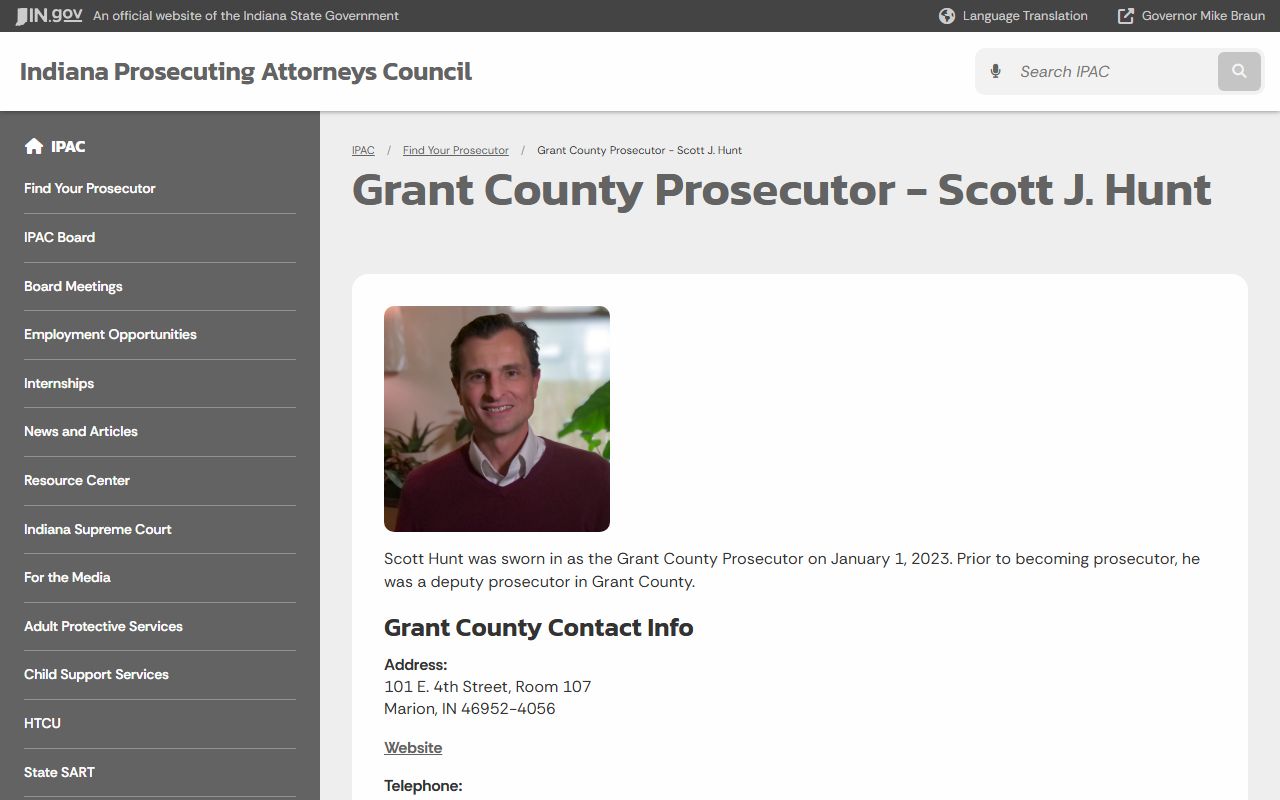
That listing supports the court-file sequence because prosecutor action is the step that turns an arrest or investigation into a filed criminal case.
What Grant County Criminal Records Show
A Grant County criminal court record should be read field by field. The charge line is only one part of the file. The docket may later show an amended charge, dismissed count, plea to a different offense, sentence, probation condition, bond action, or final order. Financial entries can include court costs, fines, fees, payments, credits, and balances, but MyCase help warns that online balances may not be fully current.
| Field | What It Shows |
|---|---|
| Case Number | The Indiana cause number with Grant County court code, year, case type, and sequence. |
| Court | The assigned criminal court, including Circuit Court, Superior Court, Gas City City Court, or Marion City Court. |
| Defendant | The person charged in the criminal case. |
| Charges | Filed offense names, codes, severity levels, and later amended or dismissed counts when entered. |
| Hearings | Initial hearing, pretrial conference, trial setting, sentencing, review, or other criminal events. |
| Plea | The defendant's formal response, such as guilty, not guilty, or another case-specific plea entry. |
| Disposition | The outcome for each charge or the case, such as conviction, dismissal, acquittal, or other resolution. |
| Sentence | Jail or prison term, suspended time, probation, fines, fees, no-contact conditions, or related orders. |
The Grant County Prosecutor FAQ source documents local infraction deferral channels and fees, which can affect some case outcomes.
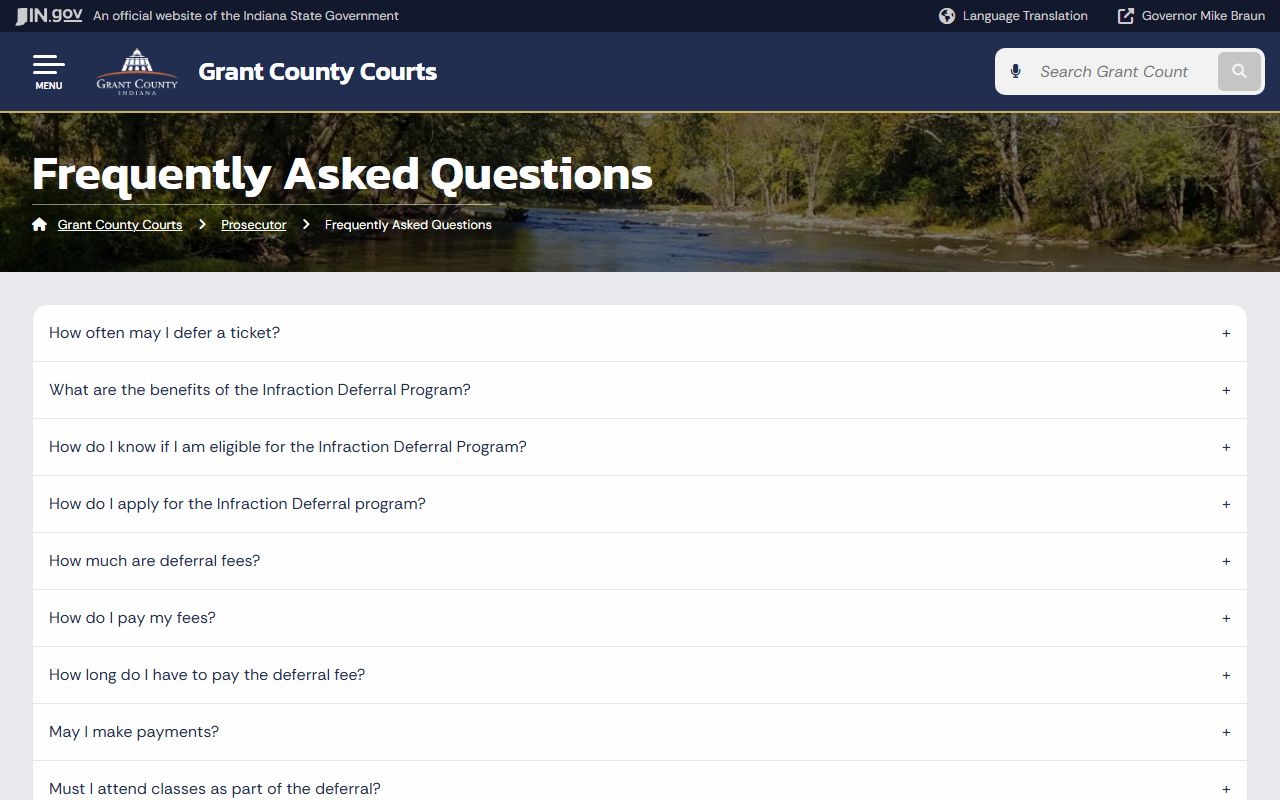
Deferral information is relevant because a criminal or infraction record may show a case track that is not a simple conviction-and-sentence path.
Charges vs Convictions
A charge is an accusation filed in court. A conviction is a finding or admission that the defendant committed the offense. Grant County criminal court records can show charges that were amended, reduced, dismissed, resolved by plea, or tried to a verdict. Treating every charge line as a conviction misreads the record.
| Topic | Charge | Conviction |
|---|---|---|
| Stage | Filed accusation at or near the start of the case. | Outcome after plea, verdict, or judgment. |
| Record meaning | Shows what the prosecutor alleged. | Shows what the court accepted or found proven. |
| Can change | May be amended, dismissed, reduced, or joined with other counts. | May later be affected by appeal, modification, or expungement. |
| Where to verify | Read the docket and charging document if public. | Read the disposition, judgment, and sentencing entries. |
Grant County Criminal Court Routing
Grant County local rules give unusually specific criminal routing. If a defendant already has a pending case or is on probation in Grant Circuit or Superior courts, a new felony may route to the court with the pending charge or probation. Otherwise, Level 5 and higher felonies and trial de novo cases from city courts are randomly assigned among Circuit Court and the three Superior Courts through Odyssey.
City courts remain important. Gas City City Court receives many misdemeanor and infraction cases outside Marion corporate limits, all Gas City ordinance violations, certain Marion city-limit cases when the Sheriff's Department or Indiana State Police is the primary officer, and compulsory-school-attendance violation misdemeanors. Marion City Court receives Marion city-limit misdemeanor and infraction cases not assigned to Gas City or Superior Court 3, plus Marion ordinance cases. Superior Court 3 receives all Level 6 felony cases and misdemeanor OWI cases under IC 9-30-5.
The Grant County infraction deferral form source is a local AccessGov channel tied to prosecutor diversion for eligible infraction matters.
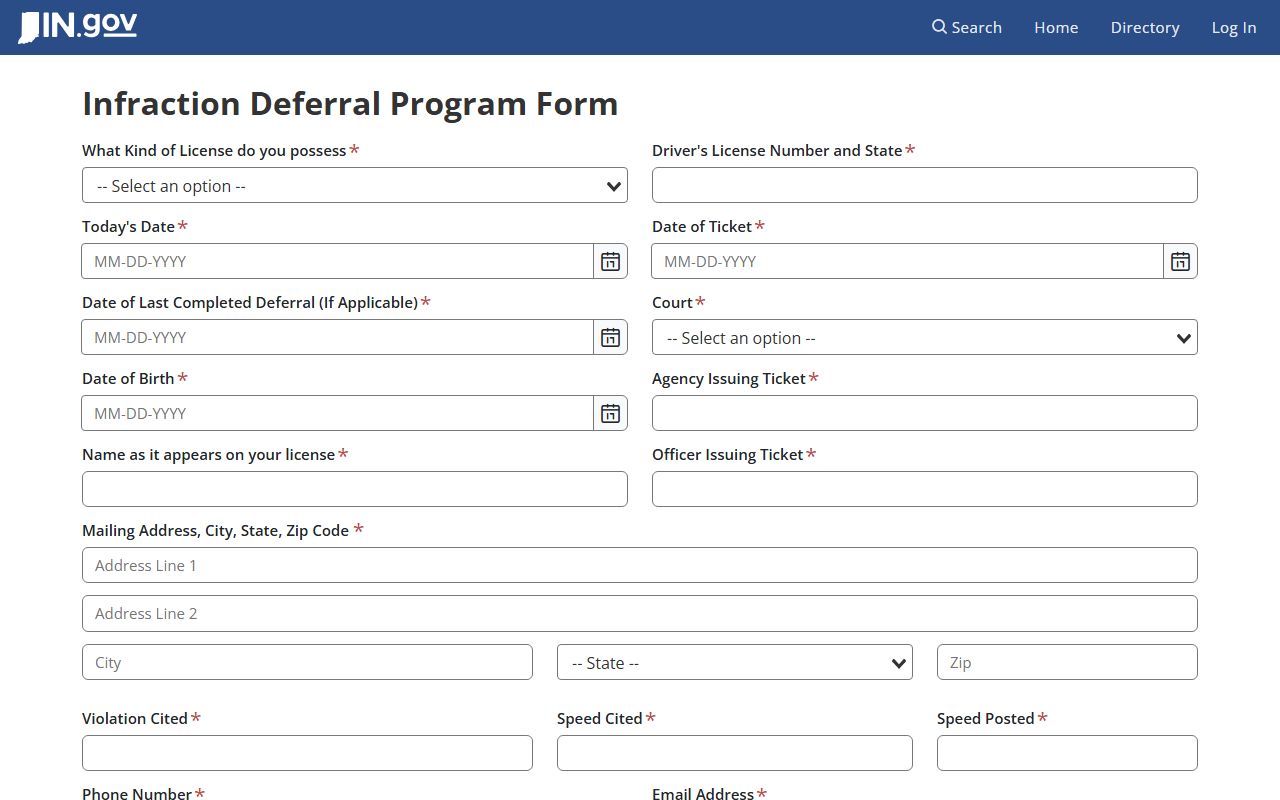
That local form is not a criminal-history search, but it shows how some court cases may move through a prosecutor-approved deferral process.
Sealed vs Expunged Records
Indiana expungement is not always destruction of a court record. Under Indiana's expungement chapter, eligible arrest or conviction records may be sealed from public access or marked as expunged depending on the statutory category and court order. A pending or denied expungement case may appear in MyCase, while a granted expungement may change or remove the public view.
| Topic | Sealed Record | Expunged Record |
|---|---|---|
| Public view | Excluded from public access by law or court order. | May be removed from public access or marked, depending on the relief. |
| Case effect | The case or filing still exists but is hidden from public inspection. | The public treatment changes after the court grants eligible relief. |
| Grant County filing | Filed in the court connected to the case when required. | Filed in the court connected to the arrest, charge, or conviction when eligible. |
| Decision maker | The court controls access. | The court decides whether statutory expungement relief applies. |
The Indiana Code Title 35 source contains criminal procedure, bail, and expungement law relevant to Grant County criminal records.
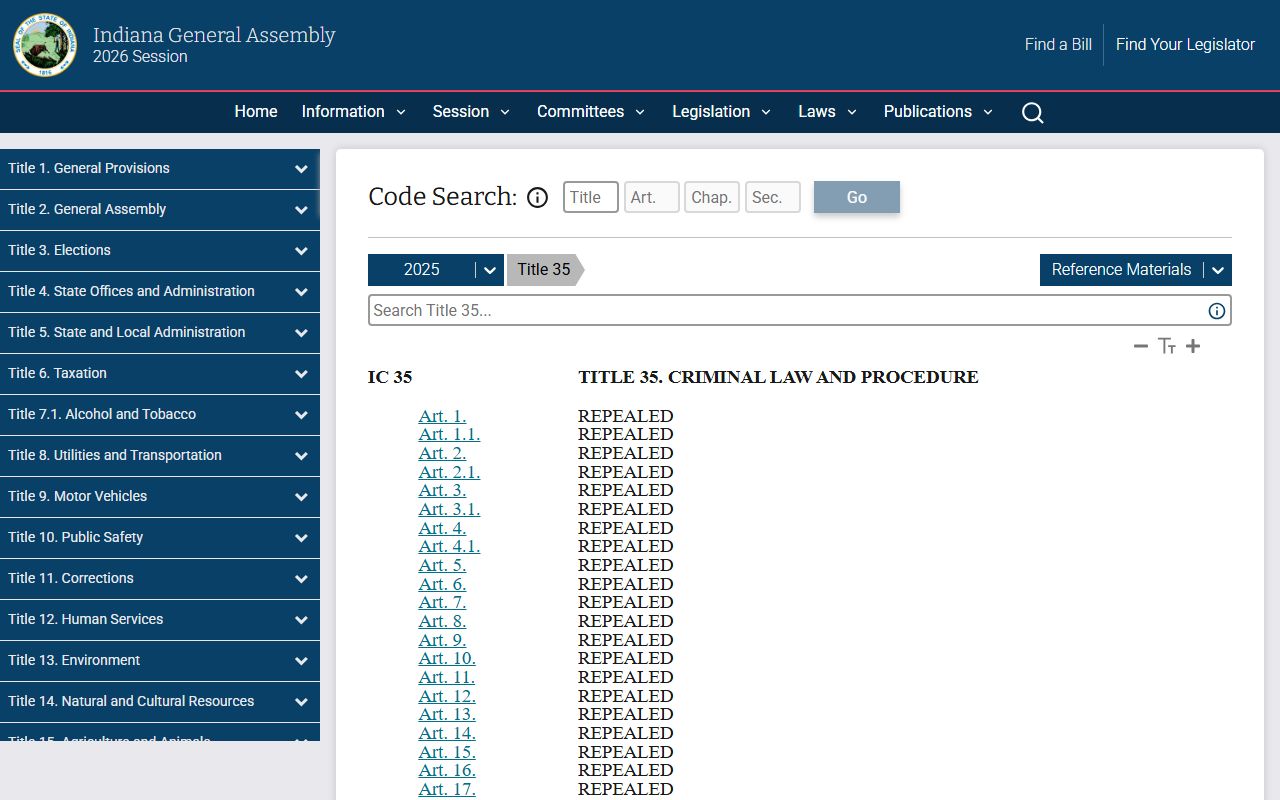
Title 35 is the researched statutory source for criminal procedure and expungement, not a substitute for the actual Grant County court order.
Public Access to Criminal Records
Indiana court records start from a public-access presumption under the Rules on Access to Court Records, but Rule 5 excludes certain records and data elements. Criminal court records can be public while still hiding Social Security numbers, financial account numbers, protected-person addresses, juvenile confidential information, medical or mental-health material, and other excluded details. Indiana Trial Rule 5(F) also requires excluded records to be filed according to the access rules.
Key access rules:
Access to Court Records Rule 1 starts with a presumption of public court-record access.
Access to Court Records Rule 5 lists court records and information excluded from public access.
Indiana Trial Rule 5(F) governs filing records excluded from public access.
Juvenile criminal or delinquency-related matters need special care. Grant County local rules assign juvenile cases to Superior Court 2 except adult-court waivers, and Indiana juvenile law restricts many juvenile records. Protection-order and adoption records may also be absent or limited in public search results, even when a related criminal docket entry appears elsewhere.
Specialty Criminal Court Records
Problem-solving court entries may appear in Grant County criminal court records when the case is assigned to a specialty program. Local rules assign Drug Court and Veterans Court-designated cases to Grant Circuit Court. Reentry Court cases are assigned to Grant Superior Court 1. Family Recovery Court is connected to Child in Need of Services cases rather than ordinary adult criminal prosecution, but it can appear in the wider court-record environment.
The Grant County Drug Court source describes the local program as an alternative to traditional incarceration for non-violent drug offenders with treatment, screens, court appearances, probation meetings, incentives, and sanctions.
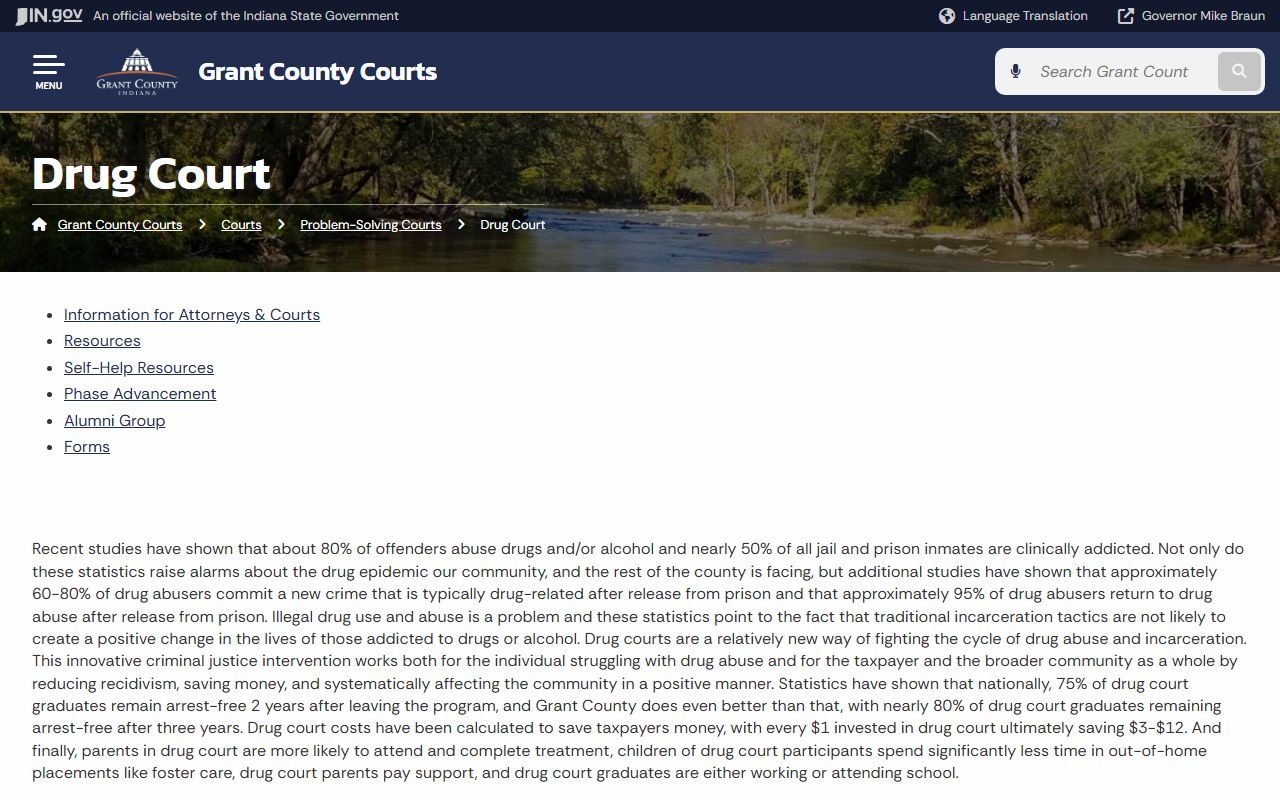
Drug Court records still belong to court files, but public access depends on the same case status and confidentiality rules that apply to other Grant County criminal records.
Restricted Grant County Criminal Records
Restricted criminal court records include sealed cases, granted expungements, juvenile records, protected-party information, and records excluded by court order or rule. Some warrant material, search-warrant material, victim information, medical records, or protected addresses may be unavailable before execution or may never be public. A public MyCase search can therefore show less than the court or parties see.
For official copies, use the Clerk of the Circuit Court at 101 E 4th St, 1st Floor, Marion, IN 46952, phone (765) 668-8121. For court scheduling questions, use the court shown in the case entry. For active arrest risk, jail status, or warrant service, use the Sheriff's Office or the relevant court rather than relying only on a criminal docket entry. MyCase is a useful search path, but the court record maintained by the court controls.
Important: Public case data can lag behind court action, especially after payment, recall, dismissal, sentence modification, or expungement.